
We seem to be living in a period dominated by negative headlines. International politics, global conflict, domestic economic pressures and constant discussion around recession risks all contribute to a sense of uncertainty. Even without looking at the markets, the narrative feels pessimistic.
One day it is reported that UK unemployment will reach a five-year high. The next, that interest rates are unlikely to fall due to stubborn inflation. For business owners already dealing with higher taxes, increasing regulation, and rising costs, this backdrop can make decision-making feel more difficult than ever.
At Nordens, we work closely with business owners who are navigating these concerns daily. This article aims to provide context on what is actually happening in the economy and, more importantly, how business owners can respond in a constructive and controlled way.
Are we actually in a recession?
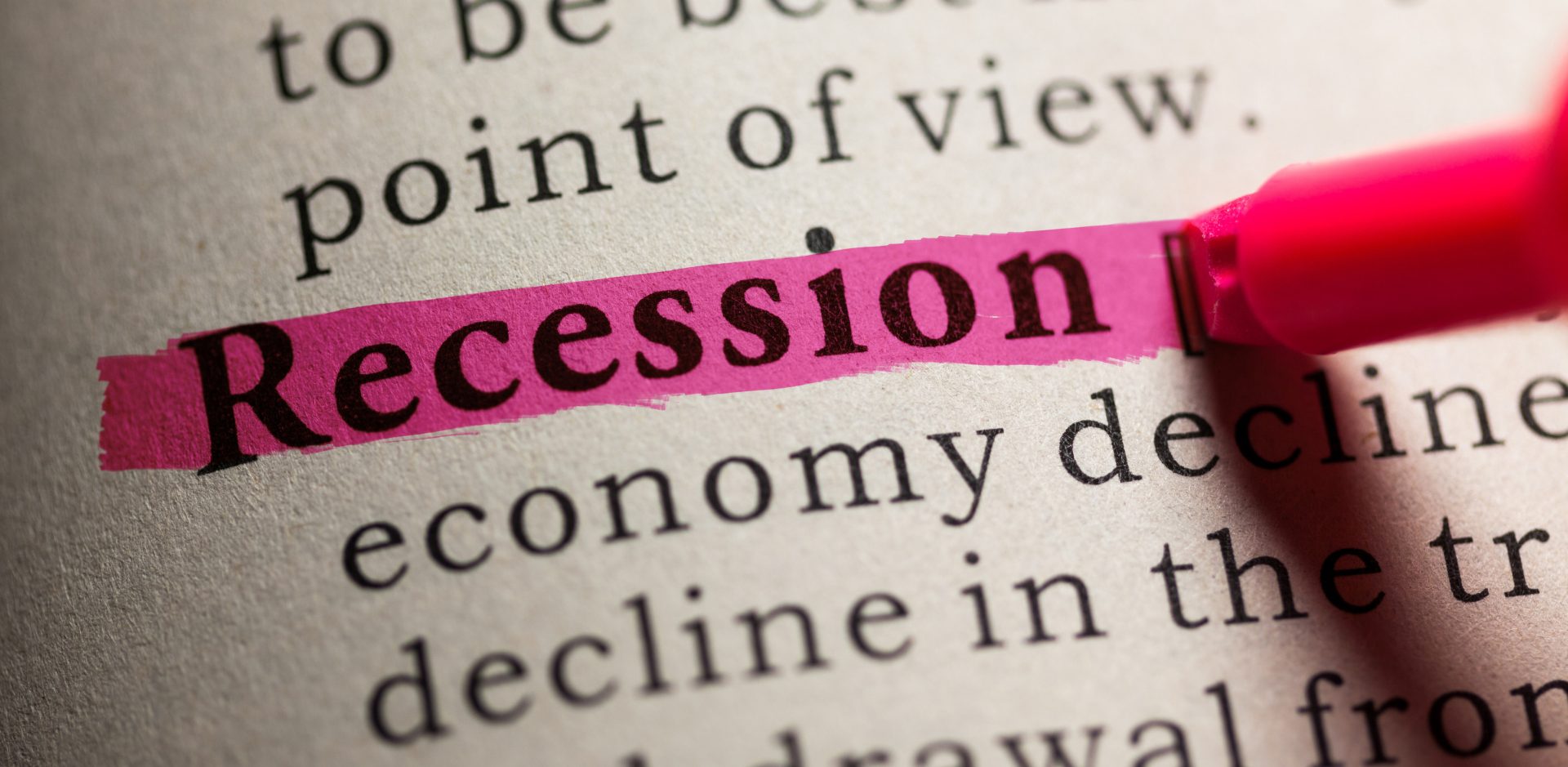
The technical definition of a recession is two consecutive quarters of negative economic growth.
At present, the UK does not meet this definition.
According to the Office for National Statistics, growth for the quarter ended 31 December 2025 was 0.1%, with annual growth for the year at 1.3%. Current projections for 2026 suggest growth between 1.2% and 1.5%.
To put this into context, comparative projections indicate:
- India at approximately 6.2%
- China at 4.2%
- The United States at 2.1%
- Germany at 0.9%
- The IMF forecasting global growth at around 3.3%
Based on these figures:
- The UK is not currently in a recession
- A recession does not appear likely in the immediate term
- UK growth remains broadly aligned with other major developed economies
However, when growth is modest, even small fluctuations can influence sentiment. The difference between low positive growth and contraction is narrow, which explains why many businesses may feel economic pressure despite the absence of a formal recession.
Thoughts on recessions and economic cycles
Economists are often accused of predicting more recessions than actually occur. There is some truth in this. Historically, recessions tend to emerge roughly every seven years, though timing and severity vary.
Even in historical texts, economic cycles appear. The biblical account of Joseph interpreting Pharaoh’s dreams describes seven years of abundance followed by seven years of famine, with preparation during good years being the key to survival.
While modern economies are shaped by government policy and global markets, current conditions of low growth are not unique to the UK. Many major economies are experiencing similar challenges.
Do not panic, perspective matters
Commentary during uncertain times often predicts severe and prolonged downturns. In practice, many recessions turn out to be shorter and less damaging than feared once the data is reviewed retrospectively.
That does not mean businesses should be complacent. But it does mean decisions should be grounded in facts rather than fear.
Not all businesses are affected equally
Headline economic figures represent averages. In reality, performance varies significantly by sector and by business.
Some sectors continue to grow while others contract. Even within the same industry, some businesses outperform competitors regardless of broader conditions. Growth and decline often reflect strategy, positioning, and execution rather than the economy alone.
How business owners typically respond in difficult conditions
When uncertainty increases, business owners often look to reduce costs that appear non-essential. Common areas include:
- Marketing and advertising
- Travel and entertainment
- Capital expenditure
- Staffing levels
- Stock and inventory
- Subscriptions and services
While none of these decisions are inherently wrong, periods of contraction also create opportunity. When competitors retreat, businesses that remain visible and proactive can strengthen their market position and grow faster over time.
Taking control during uncertainty
Periods of uncertainty often increase stress. One of the most effective ways to reduce that pressure is to increase visibility and control.
This typically means having robust cash flow forecasts in place, alongside regular management information that tracks performance against targets. Importantly, not all targets are purely financial. Operational indicators often provide early signals of future performance.
When recession risk feels elevated, projections should be tightened. Identifying potential cash pressure early allows time to secure funding or alternative options before issues become urgent.
Internal indicators such as enquiry levels, quote volumes, and conversion rates can provide valuable insight into market demand, pricing pressure, and future revenue. Comparing these metrics against historical data can help business owners understand whether changes are structural or temporary.
Many business owners also benefit from sharing insight with trusted peers. Small, informal networks of business owners in similar industries often provide valuable perspective and reassurance, even where competition exists in theory.
Be selective with information
The news cycle is designed to prioritise negative stories. While staying informed matters, constant exposure to pessimistic commentary can distort perception and decision-making.
Being selective about what information you consume can make a meaningful difference. Focus on data and insight that supports informed decisions rather than amplifying anxiety.
Research, adapt and pivot where needed
In every industry, some businesses continue to perform strongly even in difficult conditions. Understanding what those businesses are doing differently can be valuable.
Periods of economic pressure often create space for businesses to refine their offering, adjust direction, or innovate. The recent lockdowns demonstrated how quickly some organisations adapted and reshaped entire industries.
Invest in learning and mindset
Sustained exposure to negativity can be draining. Many business owners actively counter this by investing in learning, education, and personal development.
Books, audio content, and thoughtful commentary can provide perspective and ideas that offset the wider narrative. There are many well-established examples showing why some businesses thrive in the same environment where others struggle.
Equally important is the people you spend time with. Positive, solutions-focused conversations tend to create momentum, while persistent negativity does the opposite.
Our view at Nordens
Economic uncertainty is not new, and it does not affect all businesses in the same way. The businesses that perform best through challenging periods are typically those that maintain control, visibility and perspective.
Business owners are not alone in navigating these conditions. At Nordens, we support clients through both strong and difficult trading environments, helping them plan, adapt, and make confident decisions based on clear financial insight.
If you would like to discuss how your business can strengthen its position during uncertain times, our team would be happy to help.